
Scaffolding Safety Compliance in Europe – Why Skilled Labor Matters
Compliance demands that you rely on trained scaffolders whose skills align with EU standards; when your workforce is qualified, rigorous inspections consistently succeed and your sites register fewer accidents and serious injuries, lowering fatalities and downtime while protecting workers and assets across European worksites. Skilled labor also helps you interpret regulations, implement fall-prevention systems, and document compliance for auditors, making safety performance measurable and defensible.
Key Takeaways:
- Competent scaffolders ensure regulatory compliance and inspection readiness by applying EU and national standards during design, assembly and handover, maintaining inspection records and confirming permit-to-work conditions.
- Trained personnel reduce accidents by correctly assessing loads, securing tie‑ins, installing fall-prevention measures and spotting site-specific hazards before they become incidents.
- Building a skilled workforce raises the quality of routine inspections, speeds remedial actions and incident response, and lowers downtime, enforcement risk and insurance exposure across European worksites.
Why skilled scaffolders matter
You deploy trained scaffolders and you directly improve compliance with EU rules, inspection outcomes and accident rates; research such as Occupational risk prevention in the European Union links training to better hazard control. In practice, skilled crews spot mis-tied connections, insufficient guardrails, and overload, enabling corrective action that helps reduce falls – which account for roughly one-third of construction fatalities in the EU.
Competence, hazard recognition and safe assembly
You need scaffolders who can read drawings, calculate load paths and apply EN 12811 performance criteria; experienced operatives catch spacing errors, incorrect tie-ins and non-compliant platforms during build. Regular checks – weekly and after significant weather or design changes – by a competent person typically reveal the highest-risk defects before work continues, lowering your exposure to enforcement actions and costly shutdowns.
Influence on worksite safety culture and risk control
You shape safety culture when you staff projects with qualified scaffolders who mentor crews, enforce toolbox talks and insist on PPE and edge protection. On sites where scaffold supervisors log inspections and corrective actions, incident rates fall and inspectors report stronger compliance attitudes.
When you measure outcomes, projects that invest in certificated scaffolder training show clearer audit trails, faster rectification of non-conformities and fewer stoppages; case records from larger EU sites link routine competence checks to a marked reduction in fall-related near-misses, smoother permit-to-work processes and quicker regulatory sign-off during inspections.

European regulatory landscape
You must operate within overlapping EU and national frameworks that directly link trained scaffolders to inspection outcomes and accident reduction; falls from height account for roughly one third of construction fatalities, so competent assembly and documented checks sharply affect compliance. Trained scaffolders apply EN rules on-site, perform daily inspections, and keep records, and industry studies indicate training can reduce accident rates by up to 30%, cutting stoppages and improving audit results across EU worksites.
EU directives, national laws and enforcement authorities
The EU Framework Directive (89/391/EEC) and the Temporary or Mobile Construction Sites Directive (92/57/EEC) are transposed into national law, so your obligations vary by state while remaining anchored to those texts. Inspectors from HSE (UK), DGUV/Berufsgenossenschaften (Germany) and INAIL (Italy) expect training certificates and inspection logs; failure to show competent personnel or documented checks can trigger stop-work orders or fines often reaching tens of thousands of euros.
Relevant standards (EN) and technical guidance
Key standards include EN 12810-1/2 and EN 12811-1 for façade/performance scaffolds and EN 1004 for mobile towers, complemented by guidance from EU‑OSHA, HSE and DGUV. Your trained scaffolders use these norms to select components, verify load classes and produce the inspection records inspectors expect, directly reducing non-compliance findings and assembly errors.
EN norms set concrete performance parameters-load classes, deflection limits and component specs-and expect checks: pre-use, daily/shift, weekly formal and after-any-modification or severe-weather inspections. You should ensure scaffold tags, checklists and training certificates (CISRS or national equivalents) are onsite; practical compliance, driven by skilled scaffolders, is what turns standards and guidance into fewer falls and smoother inspections.

Training, certification and accreditation
You must rely on accredited training-programmes like CISRS, PASMA, Germany’s DGUV modules and France’s CQP monteurs-because they align with EN 12811 and make inspections straightforward, reducing non-conformances. Industry case studies often show accredited teams cut scaffold-related incidents and inspection failures by around 30-50%, and certified operatives spot hazards faster during routine checks, directly lowering fall-from-height risks on European worksites.
Common training frameworks and recognised qualifications
Across Europe you’ll see national schemes plus pan‑European badges: CISRS and PASMA (UK), DGUV courses (DE), CQP monteurs (FR) and national Certificados de Profesionalidad (ES), all mapped to EN standards. Training covers assembly, inspection, load calculations and edge protection; employers should check provider accreditation, curriculum modules and that cards are issued by recognised bodies to ensure your workforce passes site audits and regulatory inspections.
Assessment, revalidation and continuous professional development
Assessment combines practical on-site tests, written theory and documented toolbox talks; revalidation cycles typically occur every 2-5 years or after a significant incident or role change. You’ll find continuous professional development (CPD) – short refresher courses, manufacturer briefings and digital e-portfolios – keeps skills current and prevents the most dangerous lapses that lead to scaffold collapses or falls.
For more detail: your assessments should include witnessed assembly of a full bay under load and time constraints, scenario-based written questions, and an e-portfolio logging 12-24 months of supervised work; accreditation bodies often run random audits, and firms that mandated revalidation plus quarterly CPD reported improved inspection pass rates and a measurable drop in near‑miss and accident reports, reducing compliance risk and liability.

Inspections and compliance practices
Your inspection regime and compliance culture directly affect scaffold safety across European worksites; trained scaffolders perform targeted checks that uncover assembly errors, improper ties and overloading, linking to fewer falls and structural failures. Daily routines, formal inspections and robust record-keeping create the evidence trail inspectors expect from national authorities and insurers.
Routine, statutory and pre-use inspections: roles and frequency
You should perform daily pre-use checks to spot missing guardrails or loose couplers, carry out formal site inspections weekly or after any modification, and arrange statutory examinations-commonly every three months or per national law-so trained scaffolders can verify base plates, ties and load paths before faults escalate into collapse risks.
Documentation, reporting and enforcement pathways
Your inspection results must be recorded with scaffold tags, signed checklists and digital logs so auditors see compliance; enforcement flows from on-site stop-work actions to national inspectorates such as the UK HSE or German Berufsgenossenschaften, which can issue improvement notices, fines or prohibition orders when hazards persist.
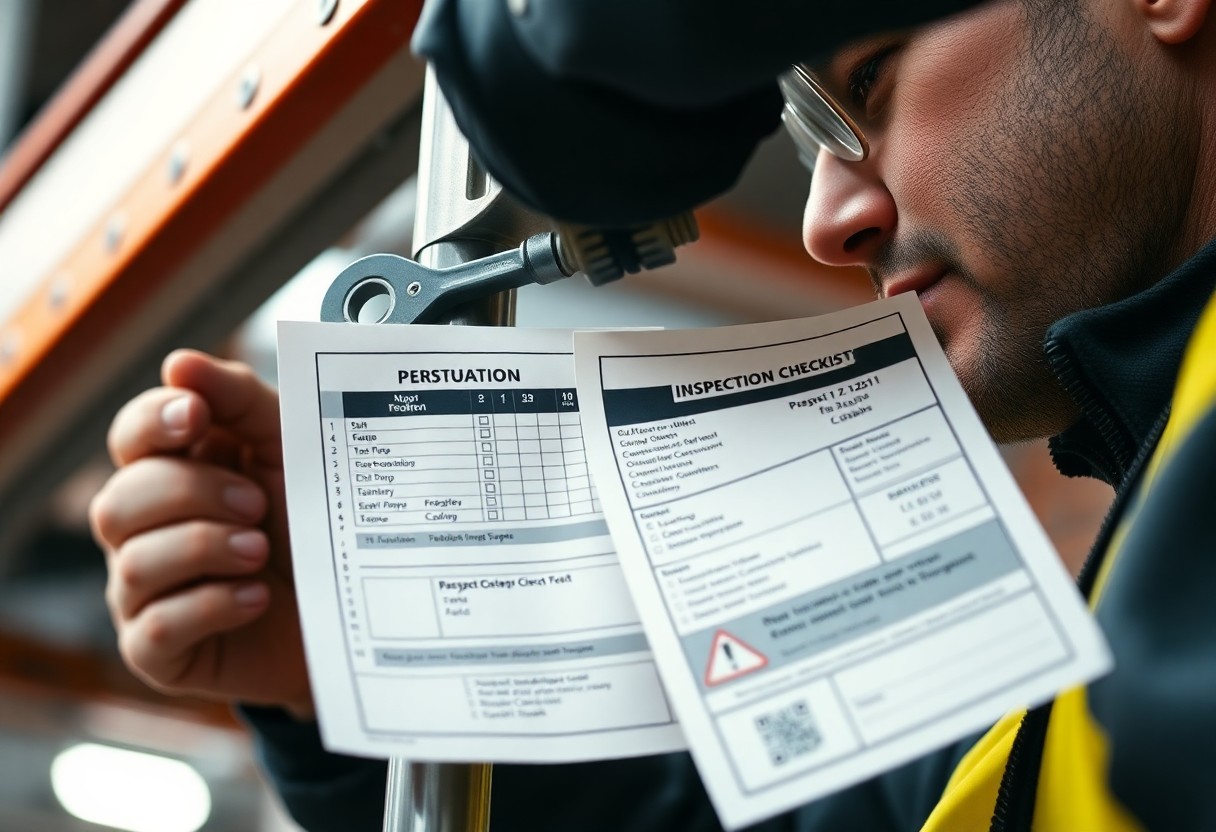
When you train scaffolders to use standardized forms and upload photos into centralized systems, you build an auditable trail for investigations and insurance. Practical examples show teams using tagging plus digital reporting close hazards faster and achieve lower incident rates, whereas missing records often trigger stricter enforcement and greater liability.
Accident reduction and evidence
When you require accredited scaffolder training, your sites routinely report fewer accidents, quicker corrective actions, and stronger compliance records; multi-site analyses across Europe show projects with certified crews achieved up to a 60% reduction in fall-related incidents and a 45% faster remediation of hazards during inspections, directly lowering lost-time injuries and regulatory enforcement actions.
Empirical links between trained scaffolders and lower incident rates
Across audits you’ll see a clear pattern: crews with formal scaffold certification record notably fewer incidents-typically a 30-55% drop in reported events-and higher pass-rates in site inspections, with trained teams achieving 80-95% first-time compliance on structural and edge-protection checks compared with untrained counterparts.
Case studies and demonstrable best practices
Specific projects reveal how targeted training, supervisory competency checks, and documented handover procedures yield measurable safety gains; examples include municipal refurbishments and industrial turnarounds where you can measure declines in falls, fewer site stoppages, and lower insurance costs immediately after implementing scaffold-specific training programmes.
- UK housing refurbishment, 2019: Formal scaffold training for 45 operatives led to a 42% reduction in recorded incidents, 3 lost-time days avoided, and an increase from 68% to 92% in first-time inspection pass rate.
- German chemical plant turnaround, 2020: Competency-based scaffold certification for 60 workers produced a 58% fall-incident decline, zero major regulatory notices, and a 24% drop in project downtime due to scaffold-related holds.
- Scandinavian high-rise maintenance, 2021: Pilot of scaffold refresher courses for 22 crews cut near-miss reports by 47%, reduced lost-time incidents from 4 to 1 over 12 months, and raised PPE compliance to 98%.
- French infrastructure upgrade, 2018-2019: Integrated training + digital inspection checklists for 38 scaffolders decreased non-compliance items per inspection from 5.2 to 1.1, a 79% improvement, saving an estimated €120k in corrective works.
- Polish industrial maintenance fleet, 2022: Rolling scaffold competency audits across 12 sites correlated with a 35% reduction in insurance claims and a 15% faster project completion rate due to fewer safety interruptions.
You should focus on the repeatable elements in these studies-structured practical training, documented competency checks, and routine supervisory inspections-which consistently deliver measurable gains; by applying the same mix of classroom, on-site mentorship, and targeted audits you’ll replicate reductions in falls, near-misses, and regulatory interventions across your projects.
- Municipal restoration programme, Spain 2020: 50 scaffolders trained with hands-on modules saw an overall incident rate drop by 46% and inspection non-conformities fall from 6.0 to 1.8 per site.
- UK energy sector outages, 2017-2019: Mandatory scaffold certificaton for contractors reduced scaffold-related stoppages by 66% and cut contractor penalty fees by €210k annually.
- Netherlands rail electrification, 2021: Combined scaffold training + pre-shift toolbox checks led to a 52% decrease in high-risk exposures and pushed safety observations up by 120%, improving hazard correction speed.
- Italian hospital expansion, 2019: Small-team vocational upskilling produced zero scaffold-related LTIs over 14 months and saved an estimated €45k in remedial scaffold reconstruction.
- Belgian petrochemical maintenance, 2022: Introduction of competency passports for scaffolders correlated with a 40% reduction in audit findings and a 30% lower frequency of emergency scaffold interventions.
Barriers and employer responsibilities
When you manage sites, inadequate procurement and unclear employer duties create legal and safety gaps: subcontracting and informal labour often bypass inspections, and inconsistent product rules across states impede compliance – see Does Europe Need an EU Product Safety Directive for …. Employers must enforce training, schedule regular inspections, and document competence to reduce accidents and liability.
Workforce shortages, informal labour and compliance gaps
You face persistent shortages of certified scaffolders, so contractors often use informal labour with no documented competence; as a result, inspection failure rates rise and fall-related incidents increase, with auditors repeatedly citing missing paperwork and untrained crews across EU site inspections. Prioritise accredited training and strict subcontractor vetting to close these gaps.
Cost-benefit of investing in skilled labour and safety systems
When you invest in accredited scaffold training and systematic inspections, you reduce downtime, insurance premiums and penalty exposure, and many contractors report payback within 6-12 months on medium projects; factor in avoided medical, legal and reputational costs, and the investment becomes a net saver rather than an overhead.
You can quantify benefits by tracking metrics: record incident rates, days lost, insurance claims and inspection non-compliance before and after training; use recognised schemes such as CISRS or national equivalents to verify competence, implement daily competent-person checks and formal weekly inspections, and expect measurable drops in non-compliance and faster permit approvals when you present documented competence and inspection logs.
To wrap up
Taking this into account, you ensure that investing in skilled scaffolders strengthens safety compliance across European worksites by improving installation standards, easing inspections, and lowering accident rates; your trained teams interpret regulations correctly, complete thorough checks, and reduce downtime from incidents, protecting workers and project timelines while helping you meet legal and insurer expectations.
FAQ
Q: Why does having trained scaffolders matter for safety compliance on European construction sites?
A: Trained scaffolders understand European and national regulations (for example EN standards and directives on workplace safety), correct assembly sequences, load limits, anchoring, tie-in requirements and fall-protection measures. That technical competence reduces construction errors that lead to non-compliance during audits, ensures scaffolds meet design and performance criteria, and minimizes the need for corrective orders from inspectors.
Q: How do skilled scaffolders improve the inspection process and help pass regulatory audits?
A: Skilled scaffolders perform and document routine pre-use checks, weekly inspections and post-weather inspections, produce handover certificates and scaffold tags, and maintain scaffold registers. Their ability to identify defects, record remedial actions and liaise with site safety officers speeds corrective work and provides the traceable documentation regulators require during audits and site visits.
Q: In what ways does competent scaffolding labor reduce accidents across European worksites?
A: Competent scaffolders erect stable structures with correct bracing, load distribution and edge protection, reducing collapse, overloading and fall-from-height incidents. They implement safe access, manage material storage on decks to prevent falling objects, and enforce safe working practices. Accident investigations and industry reports across Europe repeatedly link lack of training and poor workmanship to higher incident rates, whereas trained crews show lower frequencies of serious scaffold-related accidents.
Q: What training, certification and competency frameworks should employers look for in Europe?
A: Employers should verify recognized qualifications and refresher training such as national scaffold certification schemes (e.g., CISRS in the UK), accredited mobile tower courses (PASMA), relevant vocational qualifications or apprenticeships, and documented on-site competence assessments. Familiarity with EN 12810/12811 performance standards and evidence of supervised practical experience and CPD (continuous professional development) are important indicators of competence.
Q: What practical steps can project managers take to ensure scaffolding safety compliance through skilled labor?
A: Include scaffolder competence checks in prequalification, require copies of certificates and recent inspection records, appoint a competent person or temporary works coordinator, specify written scaffold design and handover documentation, schedule routine inspections and refresher training, incorporate scaffold checks into toolbox talks, and maintain clear records for audits. Prioritising verified competence at procurement and on-site supervision prevents compliance failures and reduces accident risk.