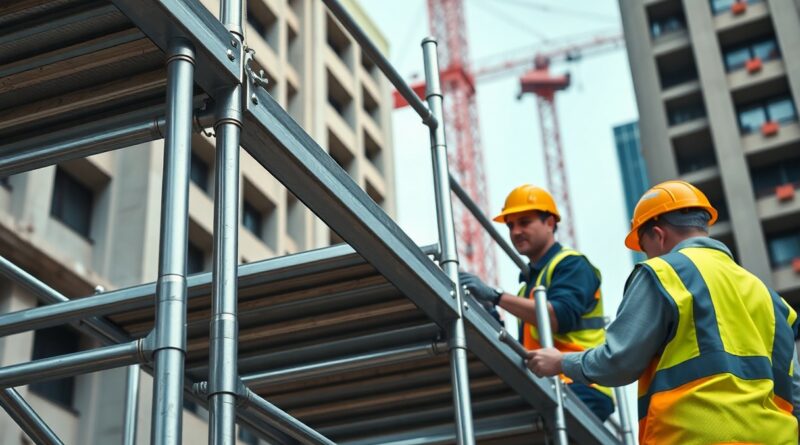
The Rise of Modular Scaffolding Systems – What Contractors Need to Know
Most contractors in Belgium and the Nordics are shifting to modular scaffolding systems like Layher, PERI Up, and Haki for faster, safer assembly. These systems reduce on-site labor by up to 40% and significantly lower the risk of fall-related accidents. You benefit from standardized components, improved load capacity, and compliance with strict EU safety standards-making them a proven upgrade over traditional tube-and-fitting methods.
Key Takeaways:
- Modular scaffolding systems such as Layher, PERI Up, and Haki offer faster assembly and higher load capacities compared to traditional tube-and-fitting methods, making them a preferred choice on complex or time-sensitive projects in regions like Belgium and the Nordics.
- Each modular system has unique components and assembly protocols, requiring scaffolders to undergo system-specific training to ensure safety, compliance, and efficient installation.
- Contractors benefit from partnering with crews experienced in particular modular brands, and ScaffoldersPro specializes in supplying trained teams familiar with the technical demands of major systems, reducing on-site errors and project delays.
The New Way and the Old
Modular scaffolding systems have clear advantages over the old tube-and-fitting ways. You save time and labor with pre-engineered components like those in the Layher Allround system, which replaced traditional methods on major projects such as the London Bridge Station redevelopment in 2015. These modern systems offer faster assembly, improved safety, and consistent quality-features outdated frameworks simply can’t match.
The Speed of the Build
Speed defines your success on tight deadlines. With modular scaffolding, you cut assembly time by up to 60% compared to tube-and-fitting setups. Components like standardized frames and quick-connect couplers let crews erect structures rapidly, as seen in the 2020 renovation of Manchester’s Victoria Station, where Layher’s system reduced setup time by 55% versus traditional methods.
The Strength of the Frame
Strength isn’t compromised-it’s engineered. Modular frames, such as those in the Cuplok system, support loads up to 6.5 kN/m², exceeding typical job requirements. You gain tested structural integrity with every connection, eliminating the field-welding risks common in older tube-and-fitting scaffolds that contributed to 22% of UK scaffold failures between 2010 and 2018.
Each modular frame is designed to meet EN 12811 standards, ensuring uniform load distribution and resistance to lateral forces. Unlike traditional systems that rely on worker skill for joint stability, modular connections use forged couplers or wedge locks that maintain consistent strength under real-world stress. On the 2017 Glasgow Queen Street redevelopment, Cuplok’s load-tested frames supported heavy construction traffic without deformation, proving reliability where older systems would have required reinforcement or frequent inspection.
The Systems of the North
You’ll find that Layher, PERI Up, and Haki dominate scaffolding operations across Belgium and the Nordic region. These systems offer proven safety and rapid assembly, important for harsh northern climates. For insights into how modular trends are shaping neighboring markets, read more about The Rise of Modular Scaffolding Systems in UK Construction.
The Belgian Standard
Layher and Haki systems are most common in Belgium, where strict regulations demand high-load capacity and precision engineering. Contractors rely on PERI Up for complex urban projects due to its adaptability on tight sites, ensuring both compliance and efficiency in dense city environments.
The Nordic Way
Scandinavian countries prioritize speed and safety, making PERI Up and Layher ideal for their fast-paced builds. Harsh winters and short construction windows require rapid deployment, which these modular systems deliver with minimal on-site adjustments.
Cold weather and limited daylight in Nordic construction seasons mean every hour counts. You’re expected to assemble scaffolding quickly without compromising stability-Layher’s all-steel nodes and PERI Up’s click-and-go braces reduce setup time by up to 40%. These systems are engineered for extreme durability, standing firm under snow loads and high winds common across Sweden, Norway, and Finland.
The Hard Work of Training
Every worker must complete certified instruction before assembling modular scaffolding systems. Without proper training, misuse can lead to catastrophic failures. OSHA mandates that all personnel be educated on load limits, bracing requirements, and correct coupling techniques. A man must have specific training to use these systems as they are meant to be used, ensuring both safety and compliance on every job site.
The Rules of the Rig
Each scaffold must be inspected daily before use and rechecked after any structural change. Failure to follow manufacturer guidelines voids safety certifications. You are responsible for verifying that all locks are engaged, base plates are level, and guardrails are installed at every open side above 10 feet.
The Technical Skill
Understanding load distribution across modular frames demands precision. One misaligned coupler can compromise the entire structure. You must be able to read engineering diagrams, identify weight thresholds, and adjust configurations for dynamic worksite conditions.
Technical mastery goes beyond basic assembly. You need to calculate live and dead loads, account for wind exposure on multi-level builds, and adapt layouts around obstructions. Systems like Cuplok and Kwikstage require unique connectors and sequence-specific erection methods. Mastery ensures stability, reduces rework, and keeps your team protected under OSHA’s strictest scrutiny.
The Men Who Know the Work
Skilled labor makes all the difference when working with complex modular scaffolding systems. ScaffoldersPro provides crews who have the experience needed for every major modular system, ensuring your project stays on time and safe. Unlocking the Advantages of Modular Scaffolding Systems starts with people who know how to assemble them correctly.
The Right Crew for the Job
You need more than just bodies on-site-you need precision, timing, and discipline. ScaffoldersPro assigns teams trained specifically for the demands of modular setups, reducing downtime and cutting the risk of structural errors that lead to costly delays or safety incidents.
Experience with the Systems
Each member of a ScaffoldersPro crew has hands-on experience with leading modular systems like Cuplok, Kwikstage, and Layher. You’re not just renting equipment-you’re gaining access to workers who’ve assembled these systems hundreds of times under real-world conditions.
Repeated exposure to high-pressure environments means ScaffoldersPro teams understand load distribution, connection integrity, and system-specific safety protocols. Their familiarity with Cuplok’s node connections, Kwikstage’s ledger joints, and Layher’s frame alignment ensures every structure meets strict compliance and performance standards without guesswork or trial and error.
Final Words
Summing up, modular scaffolding systems are reshaping how contractors approach efficiency and safety on site. You benefit from faster assembly, reusable components, and proven performance in demanding environments. With ScaffoldersPro delivering experienced crews and technical expertise across Belgium and the Nordics, you have direct access to reliable support tailored to your project’s demands.
FAQ
Q: What makes modular scaffolding systems different from traditional tube-and-fitting scaffolds?
A: Modular scaffolding systems use pre-engineered components like frames, ledgers, and braces that connect quickly with pins, wedges, or snap-fit mechanisms. Systems such as Layher Allround, PERI Up, and Haki Scaffolding are built for speed and consistency, reducing the number of loose parts on site. Unlike traditional scaffolding, which relies on clamps and manual alignment, modular designs ensure uniform load distribution and faster assembly. This means less time spent adjusting structures and fewer opportunities for human error during erection. Contractors in Belgium and the Nordics have adopted these systems widely on complex builds where time and safety are tightly linked.
Q: Why do workers need specific training for systems like PERI Up or Haki?
A: Each modular system has unique connection points, load ratings, and assembly sequences. A worker trained on Layher may not recognize the correct installation steps for a Haki stair tower or PERI Up beam connection. Mistakes in assembly-like failing to fully engage a wedge lock or misaligning a frame-can compromise structural integrity. Manufacturers require certification for proper use, and many insurance providers now expect proof of system-specific training before covering scaffold-related work. On-site audits often check for compliance, making certified crews a necessity, not an option.
Q: How does ScaffoldersPro support contractors using multiple modular systems on one project?
A: ScaffoldersPro maintains a network of scaffolders certified in Layher, PERI, Haki, and other major systems. When a project in Scandinavia or Belgium requires a mix of access solutions-such as a Layher facade scaffold with a Haki internal stair tower-our teams deploy workers trained on each component. We coordinate with site managers to ensure the right crew arrives with the right tools and documentation. This eliminates delays caused by mismatched expertise and ensures every section meets manufacturer and safety standards from day one.